

Color outside the bat cave! Download NWF’s bat coloring pages and choose your favorite bat to color or color them all.

Bat Myths
Are bats blind? Bats are often misunderstood, yet vital to healthy ecosystems. The myth that bats are blind doesn’t hold up, as most have excellent eyesight, and many can even see well in low light. But vision is only part of their story. Bats also rely on echolocation, using their immensely intricate ears to navigate the night and hunt with precision. The ears of bats vary widely between species, such as the Spotted Bat and Townsend’s big-eared bat.Can I get rabies?
Help expand bat habitat! View our bat tip sheet and learn how to create bat habitat or build a bat house in your own backyard.
Threats to Bats
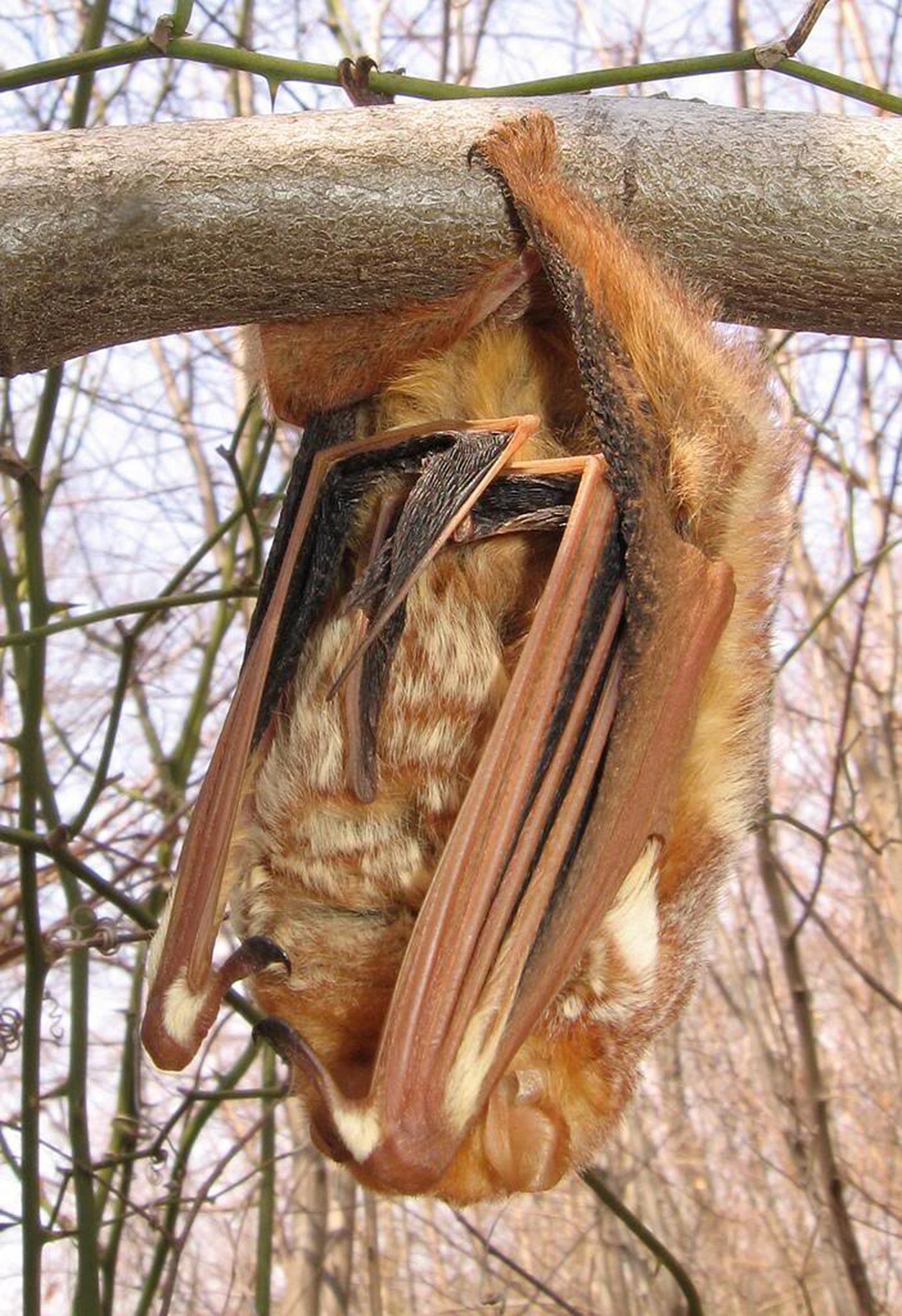
However, these curious flying creatures are at risk for numerous reasons, such as habitat loss, disease such as white nose syndrome, climate change, human disturbance, chemical use, artificial illumination, and more. Read about some of these threats to bats not only in the U.S. but all over the world, followed by how you can help.
Habitat Loss. Destruction of forests, loss of native plants, demolition of old buildings, and increased urbanization have resulted in the loss of available roosting and foraging areas.
White Nosed Syndrome. White-nose syndrome is a fungal disease affecting hibernating bats, causing them to wake repeatedly during hibernation and depleting their fat reserves needed to survive.
Climate Change. Shifting temperatures and extreme weather events, like wildfires, droughts, and intense storms, can devastate bat habitats, even within the safety of caves.
Wind Turbines. Collisions with wind turbines kill hundreds of thousands of bats each year and are a leading cause of bat mortality in North America and Europe.
Chemicals. Avoid using pesticides and fertilizers, as these chemicals can poison bats and other wildlife.
Light Pollution. Although bats are not blind, artificial light disrupts their navigation, roosting, and feeding behaviors.
Test your knowledge about bats with our bat quiz!
How can you help?
Whenever I see the erratic flight of our nocturnal friendly fliers, I pause to appreciate the moment. Because while these threats are serious, there are practical steps you can take to help bats. When we help bats, we help our ecosystems. Here are some simple ways you can help in your backyard or in your community:
- Plant Native. One of the best ways to create habitat for wildlife is to install native plants.
- Build A Bat Box. Install a bat box in your yard to provide safe roosting space for endangered species, including the Northern long-eared bat, and other local bats. You can access tips, tools, and videos to help turn your outdoor space into a wildlife-friendly habitat. Watch a how-to video created by Roanoke College students for step-by-step guidance.
- Leave The Leaves. This fall, leave the leaves in your yard to provide winter shelter for several bat species.
- Turn Off Unnecessary Lights. Keep your yard darker to support bats, using red lights if illumination is needed, or better yet, minimize outdoor lighting altogether.
- Avoid Using Harmful Chemicals. Pesticides and fertilizers harm bats and other wildlife. Homeowners use up to 10 times more chemical pesticides per acre on their lawns than farmers use on crops.
- Be A Voice for Wildlife. No matter how big or small we think we are, when we speak up together, our voices can have a huge impact! It can be as simple as talking to friends and family, writing letters, and sharing your voice on social media.
- Support the Recovering America’s Wildlife Act. Encourage your Congressional representatives to fully support and help pass the Recovering America’s Wildlife Act. This historic wildlife legislation offers the best hope for addressing the nation’s wildlife crisis.


0 Comments